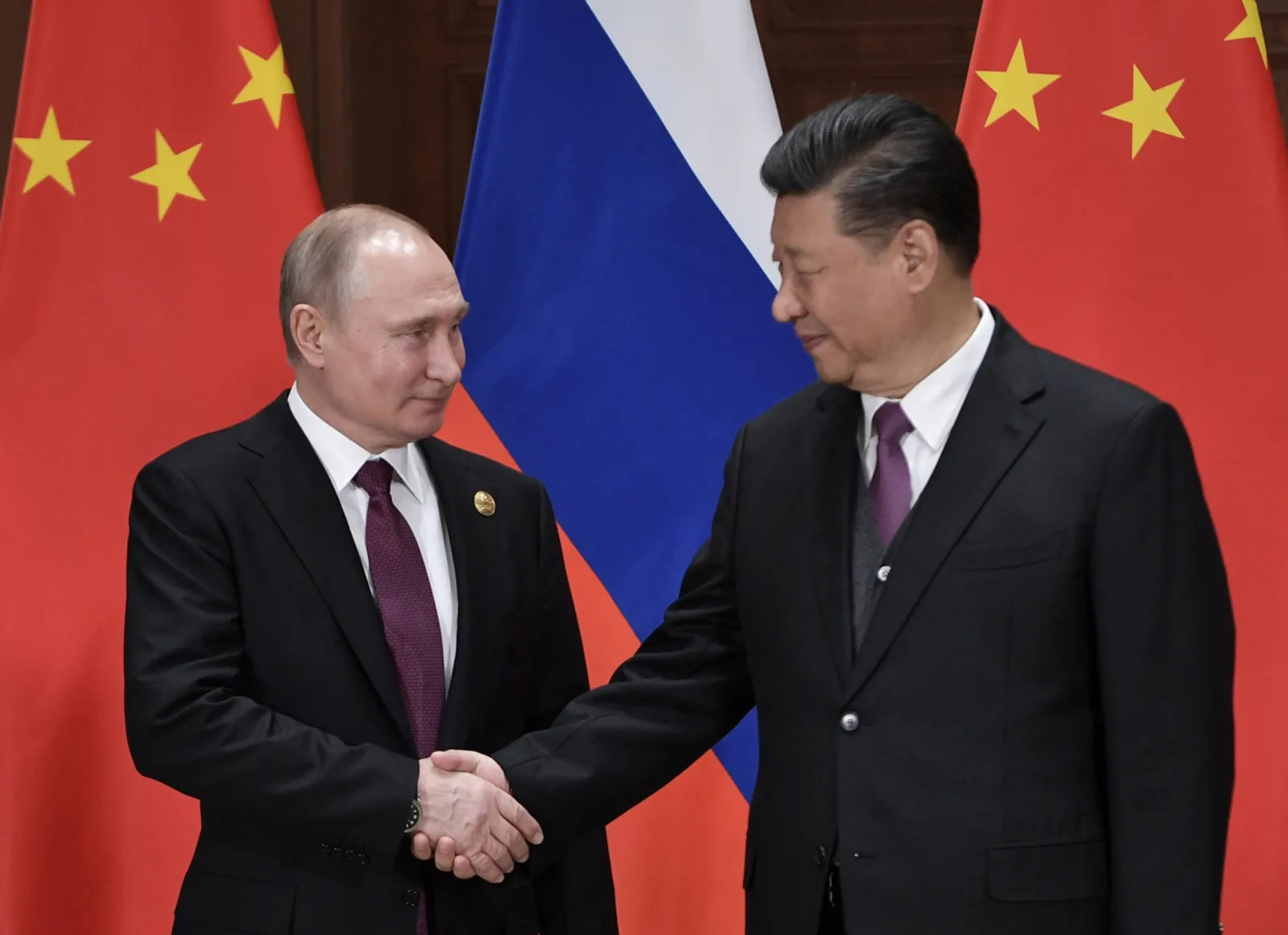
China and Russia have issued firm and coordinated condemnations of the United States following recent actions involving Venezuela, warning that the situation could escalate into a broader international crisis if not handled through diplomacy.
The developments have once again placed Venezuela at the center of global geopolitical tensions, drawing sharp responses from major world powers and prompting urgent discussions about sovereignty, international law, and global stability.
China Condemns U.S. Actions, Cites Violation of International Law
China’s Ministry of Foreign Affairs expressed deep concern and strong opposition to the United States’ actions in Venezuela, stating that such moves undermine the principles of international law and the sovereignty of independent nations.
In an official statement, Chinese authorities emphasized that no country has the right to interfere in the internal affairs of another sovereign state. Beijing warned that unilateral actions taken without international consensus threaten global peace and stability, particularly in sensitive regions like Latin America.
China also urged the United States to respect the United Nations Charter and international norms, stressing that political disputes should be resolved through dialogue, negotiation, and multilateral cooperation rather than coercion or force.
Chinese officials reaffirmed China’s long-standing position that external interference often worsens conflicts and creates long-term instability rather than lasting solutions.
Russia Labels U.S. Move as Aggression, Calls for Diplomatic Resolution
Russia joined China in condemning the U.S. action, describing it as an act of aggression against a sovereign nation. The Russian Foreign Ministry criticized what it called unilateral behavior that disregards international law and diplomatic processes.
Moscow warned that such actions could set a dangerous precedent and further polarize international relations. Russian officials stressed that political disagreements, regardless of their nature, should be addressed through diplomacy and international dialogue.
Russia reiterated its support for peaceful conflict resolution and called on global institutions, including the United Nations, to take an active role in preventing further escalation. The Kremlin emphasized that stability in Latin America is essential for global security and should not be undermined by external pressure.
Global Reactions and Calls for United Nations Intervention
The responses from China and Russia reflect growing concern within the international community about the rising tensions surrounding Venezuela. Several countries and international observers have questioned the legality of unilateral actions taken without broad international approval.
Calls have intensified for an emergency session of the United Nations Security Council to assess the situation and prevent further escalation. Diplomats and analysts argue that multilateral engagement is necessary to de-escalate tensions and ensure respect for international law.
Some world leaders have warned that continued confrontations among major powers could destabilize not only Latin America but also global diplomatic relations, especially at a time when geopolitical rivalries are already high.
Implications for Global Politics and Future Relations
Analysts say the situation highlights deep divisions between the United States and other major global powers, particularly China and Russia. The developments could reshape diplomatic alignments and influence future international negotiations on sovereignty, intervention, and global governance.
As tensions persist, world leaders are being urged to exercise restraint and prioritize dialogue to avoid further instability. The coming days and weeks are expected to be critical in determining whether diplomatic efforts can ease the situation or whether the crisis will deepen.