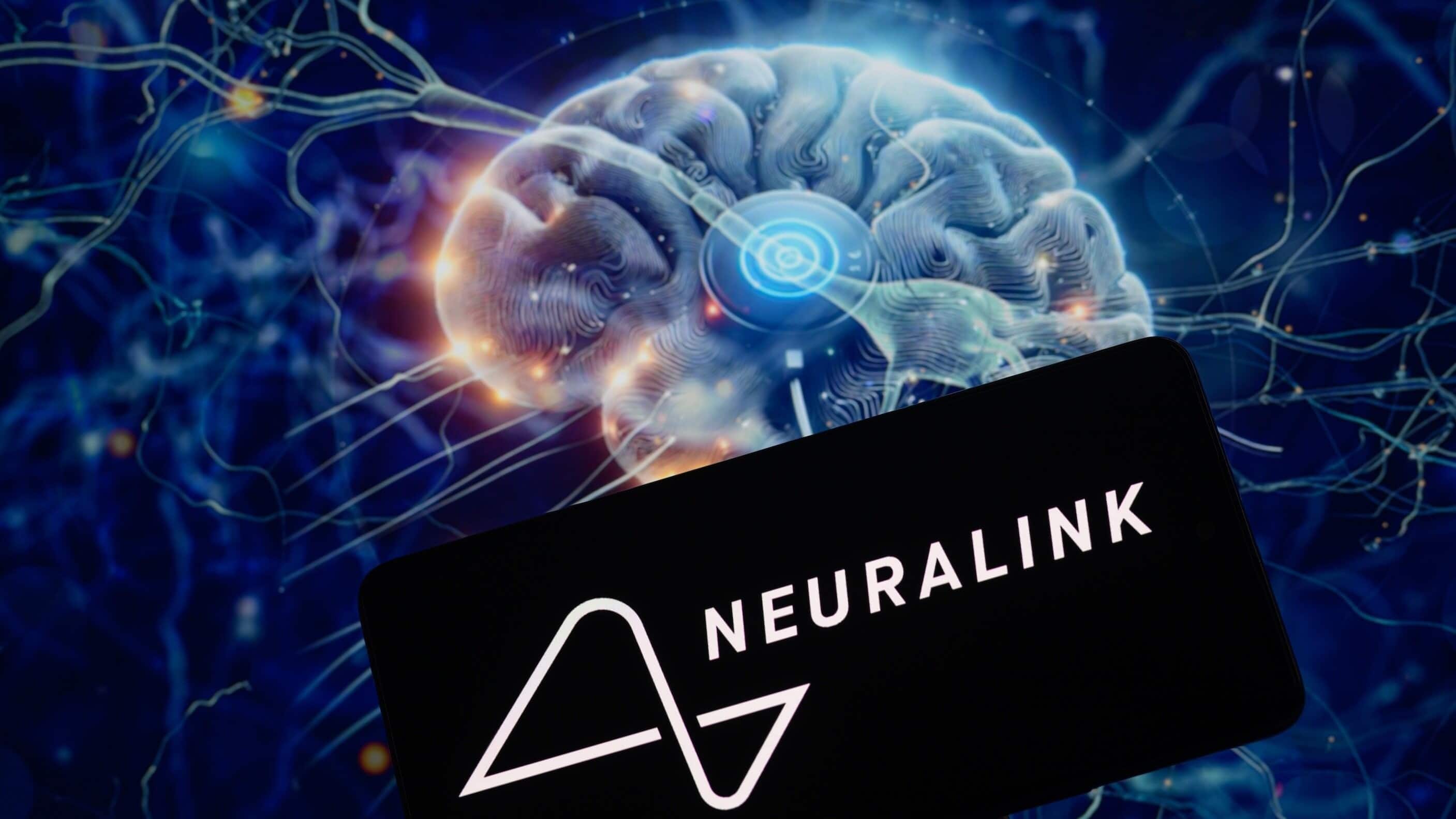
Elon Musk, CEO of Neuralink, announced that the company plans to start human trials of its brain implant technology in 2026. This groundbreaking project aims to enable patients with neurological conditions, including paralysis, memory loss, and degenerative diseases, to regain functionality through advanced brain-computer interfaces.
The announcement came during a livestreamed presentation from Neuralink’s headquarters, where Musk described the implants as a “bridge between humans and AI”. He stated that the implants will initially target people with severe spinal cord injuries, giving them the ability to control devices, computers, and potentially prosthetic limbs directly with their minds. (bbc.com)
What Experts Say
While the technology excites many, experts caution about the ethical, medical, and societal implications:
Bioethicists warn that implanting technology into the human brain raises questions about privacy, consent, and long-term effects.
Neuroscientists note that while initial trials may improve mobility for patients, unforeseen complications could occur.
Tech analysts predict that if successful, Neuralink could revolutionize communication, AI integration, and assistive technology. (techcrunch.com)
Next Steps
Neuralink plans to begin Phase 1 trials with a small group of volunteers later this year. Regulatory approvals are underway, and Musk expects first data on safety and efficacy within 12 months. The company also revealed plans for consumer applications in the long term, which could include memory augmentation, cognitive enhancement, and seamless AI interactions.
This announcement has sparked global attention, with tech enthusiasts, investors, and governments closely monitoring regulatory and ethical developments surrounding Neuralink’s human trials.