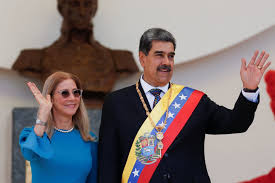
The Government of Ghana has officially condemned the arrest of Venezuelan President Nicolás Maduro by the United States, joining a growing list of global powers that have reacted strongly to what many describe as an unauthorised invasion and violation of international law.
In a statement issued through Ghana’s Ministry of Foreign Affairs and echoed by Foreign Affairs Minister Samuel Okudzeto Ablakwa, Ghana described the U.S. action as illegal, unilateral, and dangerous, warning that it sets a troubling precedent for global peace and sovereignty.
Ghana’s Position
Ghana emphasized that the arrest of a sitting president of a sovereign nation without international authorization violates the United Nations Charter, particularly principles concerning non-interference, territorial integrity, and political independence of states.
The government further called for:
The immediate and unconditional release of President Nicolás Maduro and his wife
De-escalation of tensions between the United States and Venezuela
A return to diplomatic dialogue rather than military or forceful interventions
Ghana stressed that only the people of Venezuela have the right to determine their political leadership and future.
China Reacts Strongly
China was among the first major powers to respond, issuing a stern warning to the United States. Beijing described the arrest as a serious breach of international norms and demanded Maduro’s immediate release.
Chinese officials accused Washington of:
Acting as a global “police force”
Undermining international order
Threatening global stability
China also warned that continued escalation could lead to serious geopolitical consequences, especially in Latin America.
Russia’s Response
Russia also condemned the arrest, calling it an act of state aggression. The Kremlin stated that the U.S. action was politically motivated and aimed at controlling Venezuela’s vast oil resources.
Russian officials reiterated their support for Venezuela’s sovereignty and warned that such actions could spark wider global confrontations.
Other Global Reactions
Several other countries and regional blocs have reacted with concern or condemnation, including:
Iran, which described the arrest as “imperialist aggression”
Cuba, which called it an attack on Latin American independence
Bolivia and Nicaragua, which expressed solidarity with Venezuela
African and Caribbean diplomats, many of whom echoed Ghana’s stance on sovereignty
International Law Experts Speak
Legal experts have warned that arresting a sitting president without United Nations backing could weaken international law and embolden powerful nations to act unilaterally.
Analysts say this development could:
Increase global polarization
Destabilize Latin America
Set a precedent where powerful nations override international institutions
What Happens Next
The situation remains tense as diplomatic efforts intensify behind the scenes. The United Nations Security Council is expected to face increased pressure to address the matter formally.
Ghana has reaffirmed its commitment to peaceful conflict resolution, urging world leaders to prioritize diplomacy over force.