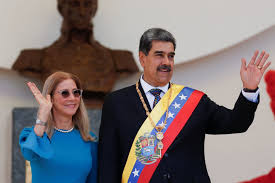
The ongoing diplomatic crisis between the United States and Venezuela is rooted in long-standing political, legal, and geopolitical disputes that have escalated over several years.
At the center of the controversy is Venezuelan President Nicolás Maduro, whom the United States has accused of involvement in drug trafficking, corruption, and narco-terrorism. In 2020, U.S. authorities announced formal indictments against Maduro and several senior Venezuelan officials, placing multimillion-dollar bounties on some of them. Venezuela has consistently denied these allegations, describing them as fabricated and politically motivated attempts to destabilize the country.
Another major factor is the question of political legitimacy. The United States and several Western allies do not recognize Maduro as the legitimate president, citing disputed election results. Venezuela, however, maintains that Maduro was lawfully elected and remains the country’s constitutional leader. This disagreement has led to broken diplomatic relations, heavy economic sanctions, and increasing hostility.
The crisis is further intensified by Venezuela’s strategic alliances with China and Russia, both of which strongly oppose U.S. interference in Venezuelan affairs. Venezuela’s vast oil reserves also make it a critical geopolitical player, adding economic interests to the political conflict.
Recent developments surrounding the alleged arrest or detention actions linked to the United States have triggered strong reactions from several countries. Ghana, through its Foreign Affairs Minister Samuel Okudzeto Ablakwa, condemned any unauthorised actions against Venezuela, emphasizing the importance of respecting international law and national sovereignty.
Many African, Asian, and Latin American nations have echoed similar concerns, warning that unilateral actions against a sitting president without United Nations approval could set a dangerous global precedent.
In summary, the U.S.–Venezuela crisis is not a single event but the result of years of political tension, legal disputes, sanctions, and power struggles. The situation continues to draw global attention as countries call for diplomacy, respect for sovereignty, and peaceful resolution through international institutions.